Greeting Script: A Versatile Hand-Lettered Font for Creative and Professional Projects
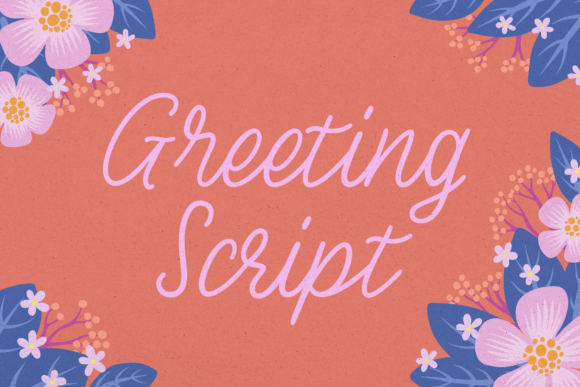
Greeting Script is a hand-lettered script font that blends charm with clarity. Designed to look like it was written by hand, it maintains the natural flow and personality of handwriting while staying neat and legible. This makes it an excellent choice for anyone looking to add a personal, artistic touch to their projects without sacrificing readability.
What Makes Greeting Script Unique?
Greeting Script stands out because of its balance between elegance and simplicity. Unlike overly ornate or difficult-to-read script fonts, this one feels approachable and clean. It's ideal for situations where you want to convey warmth and creativity but still need your message to be clear at a glance.
The font’s hand-drawn quality gives it a unique character that digital fonts often lack. Whether you're designing a greeting card, creating social media content, or working on a branding project, Greeting Script can help your text feel more personal and engaging.
Where Can You Use Greeting Script?
Greeting Script is incredibly versatile and can be used in a wide range of creative and professional settings. Here are some common places where it shines:
- Design Projects: Use it in logos, invitations, and illustrations where a handwritten feel adds visual interest without being distracting.
- Social Media: Add a friendly tone to posts, captions, or headers with this font. It works well for quotes, callouts, or brand messaging.
- Print Materials: From thank-you cards to wedding invitations, Greeting Script brings a warm, personal touch to printed items.
- Web Design: Incorporate it into website headers, buttons, or navigation menus to create a more inviting user experience.
- Marketing Materials: Use it in flyers, brochures, or promotional content to stand out from the crowd with a distinctive visual style.
Why Choose Greeting Script Over Other Fonts?
Many script fonts can be too cursive or hard to read, making them unsuitable for certain applications. Greeting Script avoids this pitfall by maintaining a tidy appearance even when it looks hand-drawn. This makes it suitable for both casual and professional use.
For example, if you're designing a logo for a boutique or small business, Greeting Script can give your brand a friendly yet professional identity. Similarly, educators might use it in classroom materials or presentations to make text feel more approachable and engaging.
Another advantage is that it doesn't require extensive design skills to use effectively. Even beginners can achieve great results with minimal effort, which is a big plus for hobbyists, freelancers, or entrepreneurs who may not have a background in graphic design.
Real-World Examples of Greeting Script in Action
Let’s take a closer look at how different users might apply Greeting Script in real-life scenarios:
1. For Bloggers and Content Creators
If you run a lifestyle blog or YouTube channel, using Greeting Script in your headers or callout boxes can make your content feel more personal and visually appealing. It’s especially effective for headings like “Welcome Back” or “Tips for a Better Day.”
2. For Small Business Owners
A local café owner could use Greeting Script on their menu signs or packaging to create a cozy, welcoming atmosphere. The font’s softness and readability ensure that customers can easily read the information they need, even from a distance.
3. For Educators and Teachers
Teachers can incorporate Greeting Script into classroom posters, worksheets, or lesson plans to make learning materials more engaging. Its clean lines and friendly appearance help reduce visual clutter while keeping students interested.
4. For Freelancers and Designers
Freelancers who work on branding or marketing projects can use Greeting Script to create a unique visual identity for their clients. It’s perfect for client emails, presentation slides, or website banners where a subtle, elegant font can enhance the overall aesthetic.
Considerations Before Using Greeting Script
While Greeting Script is highly versatile, there are a few things to keep in mind before using it in your projects:
Legibility: Although it’s designed to be neat, always test how the font appears at different sizes and distances. Some script fonts can become less readable when scaled down, so it's important to ensure that your text remains clear in all contexts.
Consistency: If you’re using Greeting Script alongside other fonts, maintain consistency in your design. Avoid mixing too many different styles, as this can create visual confusion.
Licensing: Always check the licensing terms for the font before downloading or using it commercially. Make sure you have the right to use it in the context of your project, whether it's for print, web, or digital media.
Compatibility: Test the font across different devices and platforms to ensure it displays correctly. Some script fonts may not render properly on all systems, so it's a good idea to preview your designs before finalizing them.
Getting Started with Greeting Script
If you're new to using script fonts, start by experimenting with simple projects. Try adding Greeting Script to a social media post, a greeting card, or a website header. Once you get comfortable with how it looks and feels, you can explore more complex uses.
You can find Greeting Script on font marketplaces like Adobe Fonts, Fontbundles.net, or similar platforms. Look for reviews and previews to see how it performs in different applications before purchasing.
Remember, the key to using any font successfully is understanding how it fits into your overall design. Greeting Script is no exception — it should enhance your message, not overshadow it.
Whether you're a designer, marketer, educator, or just someone looking to add a personal touch to your digital or print work, Greeting Script offers a great way to bring your ideas to life with style and clarity.