Martini Script: The Modern Calligraphy That Elevates Your Design
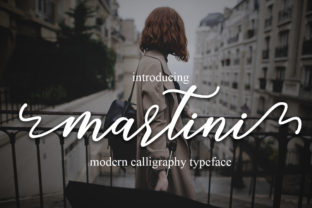
In a world where digital design dominates, the human touch remains irreplaceable. This is where Martini Script steps in—a modern calligraphy script that brings warmth, authenticity, and elegance to any creative project. With its amazing handwritten style, Martini Script gives your design a natural feel, making it ideal for branding, wedding invites, magazines, mugs, business cards, quotes, posters, and more.
As professionals, creators, and entrepreneurs seek to stand out in a crowded marketplace, the choice of typography can make all the difference. Martini Script offers a unique blend of tradition and innovation, bridging the gap between classic calligraphy and contemporary design needs.
The Evolution of Calligraphy in Digital Design
Calligraphy has long been associated with artistry and craftsmanship. Historically, it was used for illuminated manuscripts, official documents, and personal correspondence. However, with the rise of digital tools, calligraphy has found new life in graphic design, web development, and marketing materials.
Martini Script is part of this evolution. It takes the fluidity and expressiveness of traditional calligraphy and adapts it for digital use. Its strokes are smooth yet expressive, mimicking the natural flow of handwriting. This makes it not only visually appealing but also highly versatile.
Designers today are looking for fonts that feel personal and authentic. In an era where users are bombarded with generic content, a handwritten font like Martini Script can cut through the noise and create a memorable impression.
Why Martini Script Stands Out
Martini Script distinguishes itself through its balance of elegance and simplicity. Unlike overly ornate scripts that can appear cluttered or difficult to read, Martini Script maintains clarity while retaining a sense of artistry. Its characters are well-proportioned, ensuring legibility even at smaller sizes.
This script is particularly effective when used for short text elements such as headlines, logos, and captions. Its clean lines and subtle variations in stroke width give it a dynamic quality that feels both professional and approachable.
Moreover, Martini Script is compatible with a wide range of design software and platforms, making it accessible to both beginners and experienced designers. Whether you're using Adobe Illustrator, Canva, or even creating digital assets for social media, Martini Script integrates seamlessly into modern workflows.
Applications of Martini Script in Real-World Scenarios
The versatility of Martini Script makes it suitable for a variety of applications. Let's explore some of the most common uses and how they benefit from this script:
- Branding: A custom logo or brand identity using Martini Script can convey professionalism with a personal touch. It adds character without overwhelming the viewer.
- Wedding Invites: Handwritten styles are often favored for weddings because they evoke intimacy and celebration. Martini Script can be used for names, dates, and other key details, giving the invite a warm, personalized feel.
- Magazines and Publications: Headlines and subheadings in print or digital magazines can benefit from the visual interest provided by Martini Script. It helps draw attention and guide the reader’s eye naturally through the content.
- Business Cards: A simple business card with Martini Script can leave a lasting impression. It adds a level of sophistication that sets the owner apart from competitors.
- Quotes and Posters: Inspirational quotes or motivational posters gain emotional weight when presented in a handwritten font. Martini Script enhances the message by reinforcing its authenticity.
These examples illustrate how Martini Script can be adapted to different contexts while maintaining its core appeal. It's not just about aesthetics—it's about connecting with the audience on a deeper level.
Trends Driving the Popularity of Handwritten Fonts
The growing preference for handwritten fonts reflects broader trends in design and consumer behavior. People are increasingly drawn to content that feels genuine and relatable. In marketing, this means brands are focusing on storytelling, transparency, and authenticity.
Similarly, in user experience (UX) design, there's a shift toward minimalism and readability. Handwritten fonts like Martini Script provide a middle ground—offering visual interest without sacrificing usability. They add personality without becoming distracting.
Another factor contributing to the popularity of handwritten fonts is the rise of remote work and digital communication. As people spend more time online, they're seeking ways to personalize their digital presence. Using a script font in email signatures, website headers, or social media posts can help individuals and businesses stand out in a sea of uniformity.
How to Incorporate Martini Script Into Your Projects
If you're considering using Martini Script for your next project, here are some practical tips to ensure it works well:
- Use Sparingly: While Martini Script is beautiful, it should be used strategically. Overusing it can lead to visual clutter. Reserve it for headings, logos, or short phrases where it can have the most impact.
- Pair with Clean Fonts: To maintain readability, pair Martini Script with a sans-serif font for body text. This contrast ensures that the overall design remains balanced and easy to read.
- Consider Color and Contrast: The effectiveness of Martini Script can be enhanced by choosing the right color palette. Darker colors tend to work best for printed materials, while lighter shades may be more suitable for digital displays.
- Test Across Devices: Ensure that Martini Script looks good on various screen sizes and resolutions. Test it on mobile devices, tablets, and desktops to avoid any layout issues.
By following these guidelines, you can effectively integrate Martini Script into your designs while maintaining a professional and polished look.
Future of Handwritten Typography in Design
As technology continues to evolve, so too does the role of typography in design. While AI-generated text and automated layouts are becoming more prevalent, there's still a strong demand for human-like elements in design. Handwritten fonts like Martini Script will likely remain relevant as they offer a unique blend of creativity and functionality.
Looking ahead, we can expect to see more experimentation with hybrid fonts that combine the best of both worlds—digital precision and handwritten charm. This trend underscores the importance of staying adaptable and open to new design possibilities.
For designers, creators, and professionals, embracing tools like Martini Script means not only keeping up with current trends but also anticipating future shifts in the industry. It's about finding the right balance between innovation and tradition to create designs that resonate with audiences now and in the years to come.