Orectic Script: A Bold Choice for Creative Expression
Key Features and Strengths
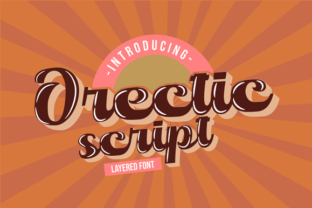
Orectic Script is more than just a beautiful font—it's a tool that enhances visual communication. Its bold style ensures readability even at smaller sizes, which is crucial for digital use. The layered system is a standout feature, enabling designers to add depth and dimension without complex editing tools. Whether you're looking to create a subtle shadow or a striking highlight, the font provides the flexibility to achieve professional results.
The font’s hand-lettered aesthetic adds a personal touch, making it ideal for branding and creative projects where uniqueness is key. Each of the four styles offers a different interpretation of the script, allowing for customization based on the project’s tone and purpose. From elegant to dynamic, these variations ensure that Orectic Script can adapt to various design needs.
Practical Applications Across Industries
Orectic Script is not limited to any one industry. Its versatility makes it suitable for a variety of applications, including:
- Logos and Branding: The bold style and layered options make it perfect for creating memorable brand identities.
- Titles and Headings: It adds visual interest to headings while maintaining clarity and impact.
- Posters and Flyers: The script’s fluid lines and dramatic effects are ideal for promotional materials.
- T-Shirts and Apparel: Its boldness and stylized appearance work well for fashion and lifestyle designs.
- Labels and Packaging: The font’s legibility and visual appeal make it a great fit for product packaging.
- Digital Content: Whether used in web design or social media graphics, Orectic Script maintains its quality across platforms.
For educators and publishers, Orectic Script can enhance learning materials and course content by adding a creative element that captures attention. Freelancers and entrepreneurs benefit from its ability to elevate their work, whether they’re designing marketing assets or creating content for clients.
Why Choose Orectic Script?
Orectic Script offers several advantages that make it a valuable addition to any designer’s toolkit. Its bold style ensures that text remains readable even in small sizes, which is essential for digital use. The layered system simplifies the process of adding visual effects, reducing the need for advanced design software.
Additionally, the font’s hand-lettered nature gives it a unique personality that can help differentiate a brand or project from the competition. For professionals who value both aesthetics and functionality, Orectic Script strikes the right balance between form and utility.
Real-World Use Cases and Observations
Many designers have found success using Orectic Script in real-world scenarios. One common use case is in logo design, where the font’s boldness and stylistic variation allow for a distinctive brand identity. For example, a local café might use Orectic Script in its logo to convey warmth and character, which aligns with its brand image.
In the world of marketing, Orectic Script is often used in promotional materials such as event flyers and social media posts. Its ability to stand out visually helps capture attention quickly, which is critical in fast-paced digital environments. Similarly, bloggers and content creators use the font to add flair to headlines and call-to-action buttons, improving user engagement.
For those working in education, Orectic Script can be used in classroom materials or online courses to make content more engaging. Teachers have reported that students respond positively to visually appealing materials, and the font’s bold style can help emphasize key points in lesson plans or study guides.
Considerations for Selection and Implementation
When selecting a font like Orectic Script, it’s important to consider the intended use and audience. While its bold style is highly effective for certain applications, it may not be the best choice for all contexts. For instance, in formal or technical documents, a more traditional serif or sans-serif font might be more appropriate.
Designers should also evaluate the font’s compatibility with different platforms and file formats. Ensuring that the font renders consistently across devices and operating systems is crucial for maintaining the intended visual effect. Additionally, considering the licensing terms is important, especially for commercial use or large-scale projects.
Finally, experimenting with different styles and layering options can help designers find the perfect combination for their specific needs. By taking the time to explore the font’s full potential, users can unlock new creative possibilities and enhance their design outcomes.