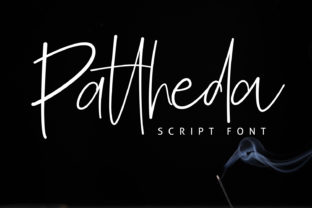
Pattheda Script: A Handwritten Font for Creative Design
Pattheda Script is a handwritten font that brings a natural, organic feel to digital and print design. Its fluid strokes and imperfections mimic the look of handwriting, making it an appealing choice for designers seeking authenticity in their projects. Whether you're working on posters, magazines, headlines, or business cards, Pattheda Script can add a personal touch that stands out from more formal typefaces.
As a font, Pattheda Script is designed with legibility in mind while maintaining its handwritten charm. This balance makes it suitable for both decorative and functional use. However, like any design element, it has its own set of considerations and tradeoffs that should be evaluated before incorporating it into your work.
Why Consider Pattheda Script?
If you're looking for a font that adds warmth and personality to your designs, Pattheda Script could be an excellent choice. It's particularly well-suited for creative industries such as graphic design, branding, and marketing. The font's unique character helps create a sense of approachability and human connection, which can be especially valuable in content that aims to engage audiences emotionally.
Designers who value originality may find Pattheda Script to be a refreshing alternative to more traditional serif or sans-serif fonts. Its distinctive style can help make headlines more memorable or give a magazine layout a more personalized feel. Additionally, because it mimics handwriting, it can be useful in situations where a casual, friendly tone is desired.
Benefits of Using Pattheda Script
- Unique Visual Appeal: The font's natural, handwritten appearance sets it apart from standard typefaces, helping to create a more distinctive visual identity.
- Versatility: While best suited for short text elements like headlines or logos, Pattheda Script can also be used creatively in longer passages if paired with a more readable supporting font.
- Emotional Connection: The font’s organic look can evoke a sense of intimacy and authenticity, which can be beneficial for brands aiming to build stronger customer relationships.
Considerations and Tradeoffs
While Pattheda Script offers many benefits, there are also some limitations to consider. One of the primary concerns is legibility. Because it is a script font, it may not be as easy to read at smaller sizes or in dense blocks of text. This makes it less ideal for body copy in books, articles, or websites where readability is crucial.
Another consideration is the font's suitability for different mediums. While it works well in print, its effectiveness on digital screens may depend on the resolution and display settings. In some cases, the fine details of the script may not render clearly on lower-resolution screens, potentially affecting the overall visual quality.
Additionally, Pattheda Script may not be appropriate for all professional contexts. For example, in legal documents, technical manuals, or formal reports, a more structured and standardized font would likely be more suitable. The informal nature of the script may not align with the tone or requirements of these materials.
Situations Where Pattheda Script Fits Well
Pattheda Script shines in situations where a more personal or artistic approach is desired. Some common applications include:
- Headlines and Titles: The font’s dynamic curves and variations make it an excellent choice for grabbing attention in headlines, banners, or title sections.
- Branding and Logos: Its unique style can help establish a distinct brand identity, especially for businesses that want to convey creativity, individuality, or a lifestyle-oriented image.
- Posters and Invitations: The font adds a handcrafted feel to event invitations, promotional posters, or social media graphics, enhancing their visual appeal.
- Magazine Covers and Layouts: When used sparingly, Pattheda Script can contribute to a more engaging and visually interesting layout without overwhelming the reader.
When Alternatives May Be More Suitable
In certain scenarios, other font styles may be more effective than Pattheda Script. For instance, if the primary goal is to ensure maximum readability across various devices and screen sizes, a sans-serif font like Helvetica or Arial might be a better option. These fonts are known for their clarity and adaptability, making them ideal for web content, mobile apps, or long-form text.
For formal or corporate communications, a serif font such as Times New Roman or Georgia could be more appropriate. These fonts have a traditional and professional appearance that aligns well with academic, legal, or financial contexts.
It's also worth considering hybrid or composite fonts that combine the aesthetic appeal of script fonts with the readability of more structured typefaces. These options can provide the best of both worlds, allowing designers to maintain a visually engaging layout while ensuring that the text remains easy to read.
Practical Decision-Making Insights
When deciding whether to use Pattheda Script in your project, it's important to evaluate several factors. Start by considering the purpose of the text—will it be used for headlines, body copy, or something else? Next, think about the audience—will they be able to easily read and understand the script font?
Also, consider the medium in which the text will appear. Will it be printed on high-quality paper or displayed on a digital screen? How will it look in different lighting conditions or at various distances? Finally, think about the overall design aesthetic of your project. Does Pattheda Script complement the rest of the visual elements, or does it clash with them?
By carefully evaluating these aspects, you can determine whether Pattheda Script is the right choice for your needs or if another font would be more suitable. Ultimately, the goal is to select a font that enhances the message being conveyed while maintaining clarity and professionalism.