The Manilla Script: A Simple, Modern Style for Versatile Design
What Is the Manilla Script?
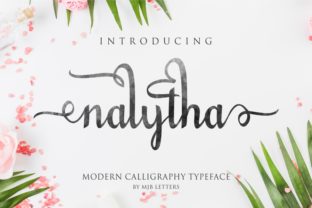
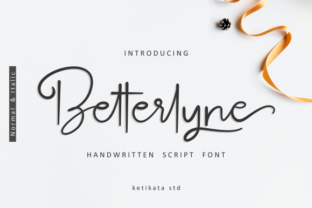
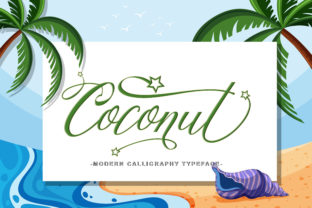
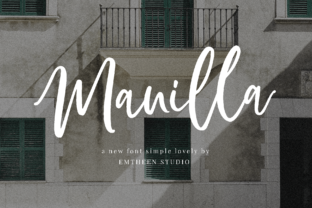
The Manilla Script is a simple, elegant script-style font that has gained popularity among designers and content creators. It combines the fluidity of handwriting with the clarity of modern typography, making it a versatile choice for various design applications. The name "Manilla" might be familiar due to its association with Manila, the capital of the Philippines, but in the context of typography, it refers to a clean, approachable script style.
This script is known for its simplicity and readability, which makes it suitable for both digital and print media. Unlike more ornate or cursive scripts, the Manilla Script maintains a balance between stylized appearance and legibility. This feature allows it to be used effectively in branding, web design, logos, and even personal projects such as invitations or greeting cards.
Why Choose the Manilla Script?
The appeal of the Manilla Script lies in its ability to add a modern touch to any design without overwhelming the viewer. Here are some key reasons why this script is becoming a favorite:
- Versatility: It works well across multiple platforms and mediums, from websites to print materials.
- Readability: Despite being a script font, it remains highly legible, even at smaller sizes.
- Modern Aesthetic: Its clean lines and minimal embellishments give it a contemporary feel that aligns with current design trends.
- Accessibility: It's easy to use and integrate into different design software and tools.
These qualities make the Manilla Script an excellent option for anyone looking to elevate their design work while maintaining a professional and polished look.
Applications of the Manilla Script
The Manilla Script can be applied in numerous ways, depending on the designer’s needs and the project’s goals. Some common uses include:
- Branding and Logos: Incorporating the Manilla Script into a brand identity can create a friendly and approachable image. It's especially effective for businesses targeting younger audiences or those in creative industries.
- Web Design: Used in headings, call-to-action buttons, or navigation menus, the script adds visual interest without distracting users from the content.
- Print Media: From business cards to brochures, the script enhances the aesthetic appeal of printed materials while maintaining clarity.
- Personal Projects: Individuals can use the Manilla Script for wedding invitations, thank-you notes, or social media graphics to add a personal and artistic flair.
How the Manilla Script Fits Into Modern Life
In today’s fast-paced digital world, where aesthetics play a crucial role in user experience, the Manilla Script stands out as a practical yet stylish choice. Whether you're designing a website, creating marketing materials, or working on a creative project, this script offers a way to blend functionality with visual appeal.
For businesses, using the Manilla Script in branding helps establish a unique identity that resonates with customers. It conveys professionalism while also showing a human touch, which is essential in building trust and connection.
For individuals, the script is a great tool for adding personality to personal projects. It allows for self-expression without compromising on readability or usability.
Common Misunderstandings About the Manilla Script
One common misconception is that all script fonts are difficult to read or unsuitable for formal contexts. However, the Manilla Script challenges this notion by offering a clean and readable alternative to more traditional script styles.
Another misunderstanding is that script fonts are only appropriate for certain types of designs. In reality, the Manilla Script can be adapted to fit a wide range of styles and purposes, from minimalist layouts to more elaborate designs.
It's also worth noting that the Manilla Script is not limited to English text. Its simplicity allows it to be used with other languages, making it a global asset for multilingual projects.
Getting Started with the Manilla Script
If you're new to using the Manilla Script, here are some tips to help you get started:
- Choose the Right Font Weight: Depending on the context, you may want to use a lighter or bolder version of the script to ensure visibility and impact.
- Pair It with Complementary Fonts: To maintain balance in your design, pair the Manilla Script with a sans-serif or serif font for body text.
- Use It Sparingly: While the script adds visual interest, overusing it can lead to clutter. Apply it selectively to headings or accents rather than entire paragraphs.
- Test Across Devices: Ensure that the script displays correctly on different screen sizes and resolutions, especially if you're using it for web design.
By following these guidelines, you can effectively incorporate the Manilla Script into your design work and achieve the desired aesthetic and functional outcomes.
Examples of the Manilla Script in Action
To better understand how the Manilla Script can be used, consider the following examples:
- A fashion brand uses the script in their logo and website headlines to convey creativity and elegance.
- An educational platform incorporates the script in their course titles to make them more engaging and approachable.
- A wedding planner uses the script for invitations and thank-you cards to add a personal and romantic touch.
- A tech startup integrates the script into their app interface to provide a subtle, modern aesthetic that appeals to young users.
These examples demonstrate the versatility of the Manilla Script and how it can be tailored to suit different industries and design goals.
Conclusion: Embracing the Manilla Script for Modern Design
The Manilla Script is more than just a font—it's a design element that can enhance the visual appeal of any project. With its clean lines, readability, and modern aesthetic, it offers a unique way to express creativity while maintaining professionalism.
Whether you're a designer, a business owner, or someone looking to add a personal touch to your projects, the Manilla Script is a valuable tool to have in your arsenal. By understanding its strengths and limitations, you can use it effectively to create designs that stand out and resonate with your audience.
As design trends continue to evolve, the Manilla Script remains a relevant and adaptable choice. Its simplicity and elegance make it a timeless addition to any creative endeavor, proving that less can often be more when it comes to typography.